Hello everybody…
Its quite amazing that we set our minds and get influenced by other minds…. without looking at their facts and realities…
Sunday I was having a lunch with few relatives… they suddenly start discussing about nuts… which was quite confusing for me to talk… they were discussing that almonds are better than cashew nuts and walnuts are better than all of the nuts…this strikes my mind that how can it be possible, which made me realize that actually I have to explore this area to solve the mystery of nuts….
So here I am with few amazing and astonish facts…that will make your mind crazy and make you understand the real truth of nuts….
NUTS
There are delicious to taste….They are placed in the meat group of the Food Guide Pyramid because of their protein content. Ounce for ounce, they are one of the best plant sources of protein and contain no cholesterol. They can be eaten as a snack or as part of a meal. They make tasty additions to fruit or vegetable salads, casseroles, baked breads or muffins, oatmeal, pilaffs and meat dishes. There are different types of nuts which we consume in our daily lives. Few of them are almonds, walnuts, cashew, peanuts, brazil nuts, hazelnuts, pistachio, pecan….etc…
They all have almost similar nutritional facts and nutritional contents…
1. These nuts are rich source of energy and nutrients.
2. They are especially, rich in mono-unsaturated fatty acids like oleic and palmitoleic acids that help to lower LDL or "bad cholesterol" and increase HDL or "good cholesterol".
3. The nuts are an excellent source of vitamin E; contain about 25 g per100 g (about 170% of RDA). vitamin E is a powerful lipid soluble antioxidant, required for maintaining the integrity of cell membrane of mucus membranes and skin by protecting it from harmful oxygen free radicals.
4. These nuts are packed with many important B-complex group of vitamins such as riboflavin, niacin, thiamin, pantothenic acid, vitamin B-6, and folates. These vitamins functions as co-factors for enzymes during cellular substrate metabolism. These vitamins are essential for optimum health and wellbeing.
5. They also very are rich source of minerals like manganese, copper, potassium, calcium, iron,magnesium, zinc and selenium. Copper is a cofactor for many vital enzymes, including cytochrome c-oxidase and superoxide dismutase (other minerals function as co-factors for this enzyme are manganese and zinc). zinc is a co-factor in many enzymes that regulate growth and development, sperm generation, digestion and nucleic acid synthesis. Selenium is an important micro-nutrient which functions as co-factor for anti-oxidant enzymes such as glutathione peroxidases.
6. They boast a high amount of dietary fiber, which has a good effect on weight management
7. They are rich source of many phyto-chemical substances that may contribute to their overall anti-oxidant activity, including melatonin, ellagic acid, vitamin E, carotenoids, and poly-phenolic compounds. These compounds have potential health effects against cancer, aging, inflammation and neurological diseases.
8. Brazil nuts contain exceptionally high levels of selenium. Selenium is an important cofactor for anti-oxidant enzyme glutathione peroxidase. Just 1-2 brazil nut a day provides enough of this trace element. Adequate selenium foods in the diet help prevent coronary artery disease, liver cirrhosis and cancers.
SO AFTER LOOKING AT NUTRITIONAL VALUES OF NUTS….I HAVE REALIZED THAT ALL NUTS HAVE ALMOST THE SAME NUTRITIONAL CONTENTS….SO WHY WE MAKE DIFFERENCES, THAT WHICH NUT IS BETTER THAN ALL OTHER NUTS???????
To make it more precise, I thought let’s look out the effects of nuts on non communicable disease and other researches done by the scientist and researchers…..
NUTS AND CHOLESTEROL
Most of the people believe that cashew have cholesterol…. Almonds will increase your cholesterol… or a person having a bad cholesterol profile, cannot have nuts…..
What you think??????
Lets look at some researches…..
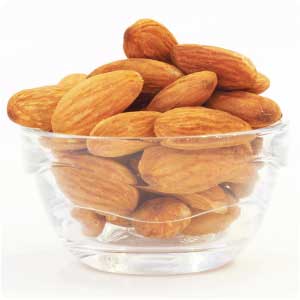 • Phung OJ etal reported in 2009 that Almonds have a neutral effect on serum lipid profiles: a meta-analysis of randomized trials. The research was published in journal American dietetic association. Five randomized, controlled trials (totaling 142 participants) met all inclusion criteria. Upon meta-analysis, almond consumption ranging from 25 to 168 g/day significantly lowered total cholesterol [weighted mean difference -6.95 mg/dL (95% confidence interval [CI] -13.12 to -0.772) (-0.18 mmol/L [95% CI -0.34 to -0.02])] and showed a strong trend toward reducing LDL cholesterol. No significant effect on HDL cholesterol, triglycerides, or LDL:HDL ratio was found. Review of funnel plots and the Egger's weighted regression statistic P values suggested a low likelihood of publication bias in all analyses (P>0.25 for all). Almond consumption may decrease total cholesterol and does not significantly affect LDL or HDL cholesterol, triglycerides, or the LDL:HDL ratio. The current body of randomized trials does not support the ingestion of almonds solely for their lipid modifying effects.
• In one clinical study, Dr. Gene Spiller, Director of the Health Research and Studies Center, Inc., showed that almonds added to the diet had a favorable effect on blood cholesterol levels and that none of the study groups experienced weight gain in the study.
• Another research published in Journal of the American college of nutrition by Spiller GA etal conducted on Effect of a diet high in monounsaturated fat from almonds on plasma cholesterol and lipoproteins. The effect of almonds as part of a low saturated fat, low cholesterol, high-fiber diet was studied in 26 adults (13 men, 13 women). During the almond diet period, raw almonds (100 mg/day) supplied 34 g/day of monounsaturated fatty acid (MUFA), 12 g/day of polyunsaturated fatty acid, and 6 g/day of saturated fatty acid. Almond oil was the only oil allowed for food preparation. There was a rapid and sustained reduction in low-density lipoprotein cholesterol without changes in high-density lipoprotein cholesterol. This was reflected in a total plasma cholesterol decrease from (means +/- SEM) 235 +/- 5.0 at baseline to 215 +/- 5.0 at 3 weeks, and to 214 +/- 5.0 mg/dl at 9 weeks (p less than 0.001). When the consumption of nuts high in MUFA increases the fat content of the diet, reduction rather than elevation of plasma cholesterol has to be expected, possibly due to the MUFA content of these nuts.
 • Maranhão PA etal 2011 conducted a research on brazil nuts and its effects on lipid profile, oxidative stress and microvascular function in obese adolescents: a randomized controlled trial published in nutrition and metabolism. Obese female adolescents (n = 17), 15.4 ± 2.0 years and BMI of 35.6 ± 3.3 kg/m2, were randomized 1:1 in two groups with the diet supplemented either with Brazil nuts, 15-25 g/day or placebo (lactose), one capsule/day and followed for 16 weeks. The result showed that Brazil nuts intake reduced TC (p = 0.003), triglycerides (p = 0.05) and LDL-ox (p = 0.02) and increased RBCV (p = 0.03). so Brazil nuts improved the lipid profile and microvascular function in obese adolescents, possibly due to its high level of unsaturated fatty acids and bioactive substances.
• Alturfan AA etal 2009, a research published in folic biologica reported that Consumption of pistachio nuts beneficially affected blood lipids and total antioxidant activity in rats fed a high-cholesterol diet. In the present study, they aimed to analyse the effects of pistachio consumption on blood lipids, antioxidant activity, oxidative stress and sialic acid levels in high-fat-fed rats for 8 weeks. Pistachio consumption significantly decreased triglycerides and thiobarbituric acid-reactive substance levels and significantly increased total antioxidant activity in the hyperlipidaemic group. In conclusion, pistachio supplementation may improve blood lipids and ameliorate oxidative stress in experimental hyperlipidaemia, which may have beneficial applications in the prevention of cardiovascular diseases.
• A research conducted by Olmedilla-Alonso B etal in 2008 on Consumption of restructured meat products with added walnuts has a cholesterol-lowering effect in subjects at high cardiovascular risk: a randomised, crossover, placebo-controlled study. A crossover single-dose bioavailability study (n = 3) using gamma-tocopherol as exposure marker and a crossover unblinded dietary intervention study (5 weeks) in subjects at risk (n = 25). Dietary intervention consisted of regular consumption of the meat product, with or without walnuts, five times per week for five weeks with a 1-month washout in between. The result showed that the restructured meat products with added walnuts supplied in this study can be considered functional foods for subjects at high risk for CVD, as their regular consumption provokes a reduction in total cholesterol of 4.5% with respect to baseline values (mixed diet) and 3% with respect to the restructured meat without walnuts.
 • Mercanligil SM etal conducted a research in 2007 to find out the Effects of hazelnut-enriched diet on plasma cholesterol and lipoprotein profiles in hypercholesterolemic adult men published in European journal of clinical nutrition. Fifteen hypercholesterolemic men aged 48+/-8 years were recruited voluntarily. A well-controlled, 2-period (P1 and P2) study design with a total of 8-week was implemented. Compared with baseline, the hazelnut-enriched diet decreased (P<0.05) the concentrations of VLDL cholesterol, triacylglycerol, apolipoprotein B by 29.5, 31.8, and 9.2%, respectively, while increasing HDL cholesterol concentrations by 12.6%. Total/HDL cholesterol and LDL/HDL cholesterol ratios favorably decreased (P<0.05). So this study demonstrated that a high-fat and high-MUFA-rich hazelnut diet was superior to a low-fat control diet because of favorable changes in plasma lipid profiles of hypercholesterolemic adult men and, thereby positively affecting the CHD risk profile.
• Another research was published in British journal of nutrition conducted by Mukuddem-Petersen J etal 2007 on Effects of a high walnut and high cashew nut diet on selected markers of the metabolic syndrome: a controlled feeding trial. In a randomized, parallel, controlled study design, sixty-four subjects having the metabolic syndrome (twenty-nine men, thirty-five women) with a mean age of 45 (sd 10) years and who met the selection criteria were all fed a 3-week run-in control diet. Subjects were required to have lunch at the metabolic ward of the Nutrition Department of the North-West University (Potchefstroom Campus). Both the walnut and the unsalted cashew nut intervention diets had no significant effect on the HDL-cholesterol, TAG, total cholesterol, LDL-cholesterol, serum fructosamine, serum high-sensitivity C-reactive protein, blood pressure and serum uric acid concentrations when compared to the control diet. Subjects displayed no improvement in the markers of the metabolic syndrome after following a walnut diet or a cashew nut diet compared to a control diet while maintaining body weight.
NUTS AND CARDIOVASCULAR DISEASES
According to health experts, eating plenty of nuts cuts the risks of heart disease. Most people are of the opinion that nuts such as cashews, almonds and peanuts add more pounds. Experts rubbish these claims because the fat in nuts is actually unsaturated fats. Cashew nuts are full of monounsaturated fats. Frank Hu, MD. PhD. lead researcher of the Harvard School of Public Health says that mono and polyunsaturated fats lower bad cholesterol, or LDLs (low density lipoproteins).
 • ScienceDaily (May 9, 2001) — University Park, Pa. --- In the most comprehensive review yet of the available epidemiological and clinical evidence, Penn State researchers have concluded that eating tree nuts or peanuts can have a strong protective effect against coronary heart disease. Dr. Penny Kris-Etherton, distinguished professor of nutrition and lead author of the review, says, "To date, five large epidemiologic studies and 11 clinical studies have demonstrated that frequent consumption of nuts decreases the risk of coronary heart disease.
• "The study was published in the current issue of the journal, Nutrition Reviews. Kris-Etherton's co-authors are Guixiang Zhao, a doctoral candidate and a Kligman Scholar in Nutrition; Amy E. Binkoski, doctoral candidate in Penn State's Life Sciences Consortium; Stacie M. Coval, master's degree candidate; and Dr. Terry Etherton, distinguished professor and head of the dairy and animal sciences department.
The researcher's review of the existing published epidemiologic studies shows that consuming 1 ounce of nuts more than 5 times/week can result in a 25 to 39 percent reduction in coronary heart disease risk among people whose characteristics match those of the general adult U.S.population.
Among the nuts consumed by the people who took part in the epidemiologic studies were almonds, brazil nuts, cashews, hazelnuts, macademia nuts, pecans, pistachios, and walnuts, as well as peanuts. However, the effects of specific nuts on coronary heart disease risk were not evaluated in these studies due to difficulties in classifying consumption patterns of specific nuts and because of the small number of cases in each category.
• A new research in JUNE 2010 suggests that consuming an almond-enriched diet may help reduce the risk of type 2 diabetes and heart disease published in Journal of the American College of Nutrition. The study, one of the first of its kind to quantify prevention data, illustrates that consuming almonds may help improve insulin sensitivity and decrease LDL-cholesterol levels in those with prediabetes. After 16 weeks of consuming either an almond-enriched or regular diet, both in accordance with American Diabetes Association (ADA) recommendations, the group that consumed an almond-enriched diet showed significantly improved LDL-cholesterol levels and measures of insulin sensitivity, risk factors for heart disease and type 2 diabetes. "We have made great strides in chronic disease research from evidence of effective treatment to evidence of effective prevention" says Dr. Michelle Wien, Assistant Research Professor in Nutrition at Loma Linda University's School of Public Health and Principal Investigator for this study, which was conducted at the University of Medicine and Dentistry of New Jersey. Wien adds, "It is promising for those with risk factors for chronic diseases, such as type 2 diabetes and cardiovascular disease, that dietary changes may help to improve factors that play a potential role in the disease development. It would be beneficial to conduct tightly controlled metabolic feeding studies and postprandial studies that feature controlled amounts of carbohydrate to confirm the findings of this study, which was performed in a free-living population."
 • FRESNO, Ca. – April 8, 2008 a new data unveiled at the Experimental Biology Conference in San Diego, snacking on pistachios has proved once again to have a positive impact on improving cardiovascular health by significantly reducing inflammation in the body, a prominent cardiovascular disease (CVD) risk factor. “Pistachios contain many important nutrients that contribute to their positive effect on health. Every new study adds another piece to the puzzle of how eating pistachios may benefit heart health,” said Dr. Constance Geiger, nutrition expert for the Western Pistachio Association (WPA).
• The Penn State study was a randomized, crossover, controlled study of 28 healthy men and women (ages 30-70) with slightly-elevated cholesterol levels (similar to cholesterol levels of the general population). It tested three cholesterol-lowering diets, one without pistachio consumption and two with varied levels of pistachios in relation to total caloric intake (on average, 1.5 ounces and 3.0 ounces). Study results demonstrate the beneficial effects of a diet rich in pistachios on multiple CVD risk factors. As indicated in a previous release of this study, cholesterol levels, a prominent risk factor for CVD, improved with pistachio consumption. Compared to baseline, both the 1.5 and 3.0 ounce pistachio diets resulted in reduction of total cholesterol (TC) and low density lipoprotein cholesterol (LDL-C). In addition to the beneficial effects of pistachios on cholesterol, including pistachios as part of a heart-healthy diet also significantly reduced inflammation at the cellular level.
 • In 2010 Stephens AM etal conducted a research on Peanuts, peanut oil, and fat free peanut flour reduced cardiovascular disease risk factors and the development of atherosclerosis in Syrian golden hamsters. Peanuts, peanut oil, and FFPF diet groups had significantly (P < 0.05) lower TPC, non-HDL-C than the control group beginning at about 12 wk and continuing through the 24-wk study. HDL-C was not significantly different among the diet groups. Peanut and peanut component diets retarded an increase in TC and CE. Because CE is an indicator of the development of atherosclerosis this study demonstrated that peanuts, peanut oil, and FFPF retarded the development of atherosclerosis in animals consuming an atherosclerosis inducing diet.
NUTS AND CANCER
Nuts are rich source of many phyto-chemical substances that may contribute to their overall anti-oxidant activity, including melatonin, ellagic acid, vitamin E, carotenoids, and poly-phenolic compounds. These compounds have potential health effects against cancer, aging, inflammation and neurological diseases.
 • Washington, DC (April, 1999) New research presented at Experimental Biology '99 suggests that consuming almonds and other nuts can help people to effectively lose and maintain body weight, as well as to reduce their risk of developing colon cancer and coronary heart disease. This was the second consecutive year that the conference included a session focusing exclusively on the health benefits of nuts.
• Research conducted at the University of California at Davis showed that a high-fat diet rich in whole almonds reduced the colon cancer risk in rats chemically treated to induce this cancer. When compared to rats fed a high-fat, wheat bran-rich diet thought to protect against colon cancer, the whole-almond group showed a 33 percent reduction in colon cancer precursor cells. …"In fact, not only did whole almonds inhibit colon cancer precursor cells from developing, but we were gratified to see that they were significantly more effective than wheat bran, widely believed to protect against this type of cancer," said Paul Davis, PhD, lead researcher on the study.
• The June 2001 Issue of Nutrition Science News reported an animal study which suggested that almonds help protect against colon cancer. The study was completed at the University of California at Davis. The groups fed any form of almond had less indication of colon cancer than the control group, but those fed whole almonds did better than those fed almond oil or almond meal. Other research findings that link high-fat diets to increased cancer risk may be the result of diets low in cancer-fighting fruits and vegetables. Despite their fat content, nuts may be helpful in fighting colon cancer.
 • Researchers from the University of Minnesota have found that a diet rich in magnesium may help reduce the risk of developing colon cancer. As part of the Iowa Women's Health Study, researchers followed almost 42,000 women aged 55-69 for 17 years. The research was published in American Journal of Epidemiology, February 2006 describes how magnesium-rich cashews cut the risk colon cancer. After taking age, calories, other nutrients and traditional risk factors for colon cancer into account, the women with the highest intake of magnesium (more than 351 milligrams a day) had a 23% lower risk of colon cancer compared to those with the lowest intake (less than 245 milligrams a day). Magnesium intake, however had little effect on rectal cancer. In the study, more than 90% of the women's magnesium intakes came from food, not supplements. The current recommended intake of magnesium is 400 milligrams a day. Good sources include artichokes, avocados, bran cereal, cashews, dark chocolate, lentils, spinach and wheat germ.
 • An article published in journal nutrition in 2011 by Nagel JM etal reported that Dietary walnuts inhibit colorectal cancer growth in mice by suppressing angiogenesis. HT-29 human colon cancer cells were injected in 6-wk-old female nude mice. After a 1-wk acclimation period, mice (n = 48) were randomized to diets containing ∼19% of total energy from walnuts, flaxseed oil, or corn oil (control) and were subsequently studied for 25 d. Tumor growth rate was significantly slower in walnut-fed and flaxseed-fed mice compared with corn oil-fed animals (P < 0.05) by 27% and 43%, respectively. Accordingly, final tumor weight was reduced by 33% and 44%, respectively (P < 0.05 versus control); the differences between walnut and flaxseed diets did not reach significance. Dietary walnuts significantly decreased angiogenesis (CD34 staining; P = 0.017 versus control). They conclude that walnuts in the diet inhibit colorectal cancer growth by suppressing angiogenesis.
NUTS AND DIABETES
Women in a Harvard School of Public Health study who reported eating 5 or more 1 ounce servings of nuts/peanuts per week reduced their risk of Type 2 diabetes by almost 30 percent compared to those who rarely or never ate nuts. Women in the study who ate five tablespoons of peanut butter each week reduced their risk for Type 2 diabetes almost 20 percent. Published in Journal of the American Medical Association, Nov. 27, 2002.
• A new research in JUNE 2010 suggests that consuming an almond-enriched diet may help reduce the risk of type 2 diabetes and heart disease published in Journal of the American College of Nutrition. The study, one of the first of its kind to quantify prevention data, illustrates that consuming almonds may help improve insulin sensitivity and decrease LDL-cholesterol levels in those with prediabetes. After 16 weeks of consuming either an almond-enriched or regular diet, both in accordance with American Diabetes Association (ADA) recommendations, the group that consumed an almond-enriched diet showed significantly improved LDL-cholesterol levels and measures of insulin sensitivity, risk factors for heart disease and type 2 diabetes.• The University of Toronto has studied the effects of pistachios on diabetes. “Glycemic Response of Pistachios – A Dose Response Study and Effect of Pistachios Consumed with Different Common Carbohydrate Foods on Postprandial Glycemia,” led by University of Toronto’s Dr. Cyril Kendall and Dr. David Jenkins, found that pistachios, when eaten with some common high-carbohydrate foods, may actually slow the absorption of carbohydrates into the body, resulting in a lower than expected blood sugar level. Certain carbohydrates elevate blood sugar levels more quickly than foods that contain higher levels of protein, fiber and monounsaturated fat, like pistachios. In general, foods that do not quickly raise blood sugar are often considered healthier than their more processed counterparts. The study is the first of its kind to examine the effects of pistachios alone and in combination with carbohydrates on blood sugar levels. The study hopefully will lead to new treatment methods and management of diabetes.
NUTS AND OBESITY
As long as you control total calories, eating a handful of nuts daily may help prevent weight gain and possibly promote weight loss. The fat, protein and fiber in nuts help you feel full longer, so you may eat less during the day. By helping induce a feeling of satiety, nuts may help people feel less deprived and not like they're "dieting." Just limit your portion to a healthy handful.
• Researchers from Harvard University presented encouraging findings for people concerned about losing weight and keeping it off. They reported that a low-calorie diet containing ample fat from almonds, other nuts, and olive oil was as effective for weight loss as a low-calorie, low-fat diet and was more effective for weight loss maintenance. "We found that initially people were reluctant to join the nut and olive oil diet group because they feared they might gain weight," said Kathy McManus, MS, RD, lead study researcher. "But in the end, not only was this eating pattern as effective for weight loss as the low-fat diet, but there were additional benefits, both in terms of health and enjoyment." People in both diet groups lost an average of 10 pounds over a 12-month period. The nuts and olive oil group was successful in keeping weight off six months later and even showed a significant drop in blood pressure. In contrast, those on the low-fat diet began to regain lost pounds and showed no change in blood pressure. …
 • Li Z etal in 2010 has conducted a research on whether Pistachio nuts reduce triglycerides and body weight by comparison to refined carbohydrate snack in obese subjects on a 12-week weight loss program. Participants were randomly assigned to consume 1 of 2 isocaloric weight reduction diets for 12 weeks, with each providing 500 cal per day less than resting metabolic rate. Each diet included an afternoon snack of either 53 g (240 cal) of salted pistachios (n = 31) or 56 g of salted pretzels (220 cal; n = 28). The study concluded that Pistachios can be consumed as a portion-controlled snack for individuals restricting calories to lose weight without concern that pistachios will cause weight gain. By comparison to refined carbohydrate snacks such as pretzels, pistachios may have beneficial effects on triglycerides as well.
• A research published in journal of nutrition, conducted by Mattes RD etal, in 2008 on Impact of peanuts and tree nuts on body weight and healthy weight loss in adults concluded that the few trials contrasting weight loss through regimens that include or exclude nuts indicate improved compliance and greater weight loss when nuts are permitted. This consistent literature suggests nuts may be included in the diet, in moderation, to enhance palatability and nutrient quality without posing a threat for weight gain.
 MY VERDICT ON NUTS
1. After researching a lot, I conclude that nuts are good for our health.
2. They should be a part of daily life.
3. They contain fats but actually help in reducing our bad cholesterol.
4. They contain no cholesterol.
5. You need to cut down your saturated fat to reduce your cholesterol but not nuts.
6. All nuts will help you in improving your cholesterol profile and prevent you from cardiovascular diseases, cancer and diabetes.
7. Nuts will help you in weight management too...
8. They should be consumed by every body but in moderate amount.
9. I recommend 5 nuts everyday or 5 days in a week but for walnuts i will recommend not more than 2.
10. It doesn’t matter you consume which type of nuts because all of them are providing you the similar health benefits.
11. Always consume raw nuts... as the process of roasted and salty nuts leads to nutritional losses..so they are similar to junk food.
12.The best way to get all the nutrients is to soaked them overnight...
13. I believe lets make a cyclic menu for your nuts – for instance 1 day have 5 almond, next day have brazil nuts then next day cashew nuts and so on…. Because if Brazil nuts are providing you selenium then on the other hand cashew is providing you good amount of magnesium.
14. THE KEY IS MODERATION….. THEY ARE EQUAL TO OLIVE OIL OR CANOLA OIL WHICH ARE GOOD FOR REDUCING OUR BAD CHOLESTEROL AND INCREASING ARE GOOD CHOLESTEROL AS THEY CONSIST OF MONO UNSATURATED FATTY ACID….
Content courtesy: http://www.ncbi.nlm.nih.gov/pubmed/19394473
http://www.ncbi.nlm.nih.gov/pubmed/17381974Images courtesy: pranhub.com, telegraph.co.uk, greenpeasandblueberries.blogspot.com, elements4health.com, soulcliche.com, faqs.org, purcellmountainfarms.com, tradenote.net, dadesifun.com, ithappensinindia.com, antioxidants-health-benefits.com, numkitchen.com, gatewayturkey.com, thenutfactory.com, birdsong-peanuts.com, tips4india.in, hotproducts.manufacturer.com.