
Memory change is often seen to be the concern of a large number of people as they start getting older. The present lifestyle of people also hampers the memory and causes mild age memory loss to get worse in the future.
Many researches proved that the brain is capable of producing new brain cells at any age, so significant memory loss is not an inevitable result of aging.
Your lifestyle, health habits, and daily activities have a huge impact on the health of your brain. Your short-term and remote memories aren't usually affected by aging. But your recent memory may be affected. For example, you may forget names of people you've met today or where you set your keys, forgotten a phone number.
It happens with me also..... ALL THE TIME...
BUT whatever your age, there are many ways you can improve your cognitive skills, prevent memory loss and improve concentration.
So here are some foods that will help you to improve your memory and concentration:-
 BLUEBERRIES - Blueberries are not only delicious, but is rich in antioxidants which are a source of dietary fiber and vitamin C. Blueberries increases learning ability and memory recalling ability because of its high content of antioxidants. Researchers from the University of Houston and Tufts University U.S. Department of Agriculture Human Nutrition Research Center on Aging indicate that one month's supplementation of elderly rats with blueberries was associated with an improvement in the memory scores, as measured in a maze. In addition, data showed that two months of consuming the bluer-enriched diet was associated with a prolongation of the benefits after the diet was stopped, and the performance of the aging rats was similar to that of younger rats.
 ALMONDS, SPINACH AND BROCCOLI – They are rich with magnesium, mineral which is useful to improve short and long term memories. A handful of Almonds can provide 25% daily magnesium need. According to an international study published in the journal Neuron, it was found that an increase in Magnesium (derived from natural resources) in the brain helped improve learning and memory in both young and old rats over a 5 year period. The research also suggests that eating foods rich in magnesium such as broccoli, almonds and spinach has potential to reduce the risk of losing your memory. Not only has this but according to the researchers from Massachusetts Institute of Technology and Tsinghua University, magnesium seemed able to support the stranded new tissue between brain cells. Half the population of industrialized countries have a magnesium deficit, but with the help of a healthy increase in one’s diet, the effects of mental ageing could be significantly delayed.
 WALNUTS - A recent research found that walnuts had more antioxidants and better quality antioxidants than peanuts, almonds, pecans, pistachios and other nuts. “A handful of walnuts contains almost twice as much antioxidants as an equivalent amount of any other commonly consumed nut,” says Joe Vinson, Ph.D., of the University of Scranton, who presented the research at the annual meeting of the American Chemical Society. All nuts have been shown to improve lipids and can reduce the risk of heart disease. Walnuts have also been found to improve cognitive and motor function in animals with Alzheimer’s and in aged rats. So walnuts will also help you to improve your memory and concentration.
 APPLE - “An apple a day” now has new meaning. New research from the University of Massachusetts Lowell suggests that eating and drinking apples and apple juice, in conjunction with a balanced diet, can protect the brain from the effects of oxidative stress that contributes to age-related memory loss. The study was published in the latest issue of the Journal of Alzheimer’s Disease. Research has shown that apples are a rich source of antioxidants. Cornell University researchers reported in the journal Nature in 2000 that one apple packs more cancer-fighting antioxidant capability than a 1,500-milligram dose of vitamin C. Apart from being brain healthy, apples are a delicious source of dietary fiber, which helps aid digestion and promotes weight loss. Apples have high nutrient content compared to the calorie per serving, promote health, protect against diseases and improve daily functioning.
 FISH OIL, OLIVE OIL, FLEX OIL OR WALNUT OIL(Omega-3 Fatty Acids) - A diet rich in omega-3 fatty acids not only protects against inflammation and high cholesterol, it can also improve cognitive function. "Population studies suggest that omega-3 fatty acids, found in oily fish such as salmon and mackerel, could play a role in memory and concentration," says Toni Steer, MD, from Cambridge's MRC Human Nutrition Research. Classified as "healthy" fats, omega-3 fatty acids can also be found in flaxseed, flaxseed oil, walnuts, walnut oil and cold-water fish such as herring, tuna and halibut.
 STRAWBERRY - Delicious and nutritious strawberries are rich in antioxidants and flavonoids. Low in calories and high in vitamins B12, B6 and folic acid, strawberries may also help prevent cancer and heart disease. A recent study performed by Tufts University and the USDA showed that the consumption of certain foods, including strawberries, can help improve short term memory. Strawberries also contain anthocyanins which help the body battle pain and inflammation.
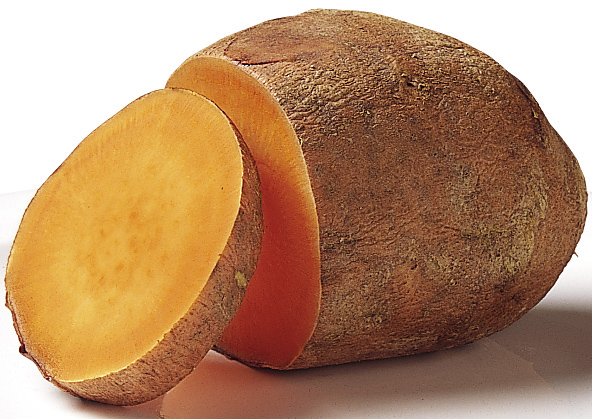 SWEET POTATOES - Sweet potatoes are rich in vitamin B6, carbohydrates, as well as vitamin c and beta-carotene. Carbohydrates are used by your brain for energy. This energy flow can help you stay focused for long hours and also will keep your energy at highest levels. Vitamin C and beta-carotene are excellent antioxidants that help protect your brain cells from free radicals that can damage them over time and can improve cognitive function.
 DARK CHOCOLATE - Chocolate is not only delicious, it’s also beneficial to your brain and can help enhance your mood. Natural stimulants boost the production of endorphins that improve focus and concentration. It is rich in flavanols that boost blood supply to the brain and help improve cognitive skills. Dark chocolate is loaded with antioxidants but also contains natural brain stimulants that can help increase your focus as well as your concentration.
One more thing will help you to improve your memory and concentration is:
 EXERCISE - Scientists continue to find new evidence which points to a link between physical and mental health. A Cambridge University study suggested that jogging just few of times a week stimulates the brain. Hundreds of thousands of new brain cells were shown to have grown in an area that is linked to the formation and recollection of memories after a few days of running. An improved ability to recall memories without confusing them has a direct impact on other crucial cognitive tasks, and could lead to potential new ways of slowing down the deterioration of mental ability in old age.
Meanwhile, scientists have also recently found that particularly vigorous exercise helps release a protein that goes by the name of “noggin”. The protein acts as a counter-agent to another protein, bone morphogenetic protein, thereby stimulating the increased division of brain stem cells, keeping the brain nimble and active as we get older. Research suggests that amplified production of noggin could therefore prevent the on-set of age-related brain diseases such as Alzheimer’s.
So these are some of the foods if incoperated with balanced diet, will definitely help you to improve your memory and concentration but again the key is moderation......
Content courtesy: http://www.nutraingredients-usa.com/Research/Blueberries-may-reverse-age-related-mental-decline-Rat-study , http://www.thehealthpilgrim.com/2010/11/brain-power-improve-memory-concentration/ , http://www.rachelia.com/how-to-improve-memory-strengthen-memory-and-concentration.html , http://doctorsdunia.in/eat-apples-to-prevent-memory-loss/ , http://www.appleproducts.org/pr21.html , http://www.livestrong.com/article/248404-diets-to-improve-memory-concentration/#ixzz1OCn9kUfO , http://www.onlineuniversitylowdown.com/2007/08/20-foods-that-w.html , http://www.coringe.com/10-tips-to-improve-your-brain-power , http://www.antioxidants-health-benefits.com/benefits-of-the-strawberry.html
Images courtesy : soakednuts.wordpress.com , homemade-recipes.blogspot.com , thefatlossauthority.com , blackcarrefour.com , medimanage.com , elements4health.com , buzzle.com , robbwolf.com , scientificamerican.com
-


