Tuesday, 20 September 2011

GOUT- A CHRONIC DISEASE

Hi everybody, the prevalence of gout is increasing day by day... yesterday an adorable lady, my suman aunty ask me to write something about gout... she was realy curious to know what this gout is???? What are the dietary recommendations??? And how we can diagnose this condition????

An awareness and nutritional education need to develop among the people of society as its prevalence and incidents are increasing in recent years... so here I am....

GOUT
Gout is a kind of arthritis that occurs when uric acid builds up in blood and causes joint inflammation. Gout is a chronic disease caused by an uncontrolled metabolic disorder, hyperuricemia, means too much uric acid in the blood, which leads to the deposition of monosodium urate crystals in tissue. Uric acid is the end metabolism product of purine, purine being the nitrogen-containing compound that occurs in nucleic acid. It is excreted out mainly by the kidneys, where it passes out in urine. Whenever the normal balance is disturbed by decreased excretion by the kidney or increased production, the blood level of uric acid increases and builds up in the fluid around the joints (synovial fluid), uric acid crystals form. These crystals cause the joint to swell up and become inflamed. There are two conditions of Gout, Acute gout is a painful condition that typically affects one joint. Chronic gout is repeated episodes of pain and inflammation, which may involve more than one joint.

PREVALENCE AND RISK FACTORS
Gout is the most prevalent form of inflammatory arthropathy. It is a true crystal deposition disease caused by formation of monosodium urate crystals in joints and other tissues. It is a common inflammatory arthritis that has increased in prevalence in recent decades. A number of epidemiological studies from a diverse range of countries suggest that gout has increased in prevalence and incidence in recent years and that the clinical pattern of gout is becoming more complex. In particular, the greatest increase has been observed in primary gout in older men. The incidence of gout varies in population with an overall prevalence of less than 1 to 15.3%. The Bhigwan COPCORD survey demonstrated low prevalence of Gout (0.12%) in rural India. In another Indian study gout prevalence was 2%. Gout once called the “disease of kings,” is also seen in women, especially after menopause. Gout affects more than 1% of adults in the USA, and it is the most common form of inflammatory arthritis among men.
Accumulating data support an increase in the prevalence of gout that is potentially attributable to recent shifts in diet and lifestyle, improved medical care, and increased longevity. Gout prevalence increases in direct association with age; the increased longevity of populations in industrialized nations may contribute to a higher prevalence of gout through the disorder's association with aging-related diseases such as metabolic syndrome and hypertension, and treatments for these diseases such as thiazide diuretics for hypertension. Robust epidemiological studies have established risk factors for gout including genetic factors, excess alcohol consumption, purine-rich diet, the metabolic syndrome (obesity, hypertension, hyperlipidemia and insulin resistance), use of diuretics and chronic renal failure. Trends in alcohol use, diet, obesity and the metabolic syndrome in the general population might explain changes in the prevalence and incidence of gout in the community.

The condition may also develop in people with:
• Diabetes
• Kidney disease
• Obesity
• Sickle cell anemia and other anemias
• Leukemia and other blood cancers
The condition may occur after taking medicines that interfere with the removal of uric acid from the body.


SYMPTOMS

Symptoms of acute gout:
• Symptoms usually involve only one or a few joints. The big toe, knee, or ankle joints are most often affected.

• The pain starts suddenly, often during the night

• The joint appears warm, red and are usually very tender. In some people, the acute pain is so intense that even a bed sheet on the toe causes severe pain.

• There may be a fever.

• The attack may go away in a few days, but may return from time to time. Additional attacks often last longer.
After a first gouty attack, people will have no symptoms. Half of patients have another attack.
Some people may develop chronic gout. Those with chronic arthritis develop joint damage and loss of motion in the joints. They will have joint pain and other symptoms most of the time.


Uric acid crystals can form outside joints. Collections of these crystals, known as tophi, can be found in the earlobe, elbow, and Achilles tendon (back of the ankle), or in other tissues. Typically, these tophi are not painful but can be a valuable clue for the diagnosis as the crystals that form them can be removed with a small needle for microscopic examination. Microscopic evaluation of a tophus reveals a nest-like accumulation of uric acid crystals embedded with white blood cells of inflammation.


TREATMENT
Medicines should be taken as soon as possible if you have a sudden gout attack. Consult your physician as soon as possible. Along with specific prescribed medications, it is typically recommended that people with gout reduce their intake of purine-rich foods.


LIFESTYLE AND DIET MODIFICATION

• Avoid alcohol

• Reduce purine-rich foods. According to the American Medical Association, purine-containing foods include:

  • Beer, other alcoholic beverages.
  • Anchovies, sardines in oil, fish roes, herring.
  • Yeast.
  • Organ meat (liver, kidneys, sweetbreads). Even lamb, pork, beef, shrimp, scallops, mussles, lobster and canned fish are also harmful.
  • Legumes (dried beans, peas).
  • Meat extracts, consommé, gravies.
  • Mushrooms, spinach, asparagus, cauliflower.


• Avoid fatty foods such as salad dressings, ice cream, and fried foods.


• According to the American Medical Association, a balanced diet for people with gout include foods:

  • High in complex carbohydrates (whole grains, fruits, vegetables)
  • Low in protein (15% of calories and sources should be soy, lean meats, poultry)
  • No more than 30% of calories from fat (10% animal fat)

• Increase the intake of low fat dairy products which include skimmed milk, yogurt and such items which protect you against gout attacks. Research is suggesting that certain foods may also prevent gout. In a study published in the New England Journal of Medicine, scientists found that a high intake of low-fat dairy products reduces the risk of gout in men by half. The reason for this protective effect is not yet known. Another study examining the effects of vitamin C on uric acid suggests that it may be beneficial in the prevention and management of gout and other diseases that are associated with uric acid production.

FOODS MUST INCLUDED IN DIET
• Dark berries help in processing uric acid and hence lowering its levels inside the body. Cherries can lower plasma uric acid levels. They contain flavonoid compounds that may lower uric acid and reduce inflammation. Flavonoids called anthocyanins, often found in purple and blue colored berries, help to shut down the enzymes that cause tissue inflammation in the first place. Anthocyanins can therefore prevent and treat many kinds of pain. A study done at the University of California at Davis by Jacob et. al entitled "Consumption of Cherries Lowers Plasma Urate in Healthy Women" proved just that and also showed that there was a decrease in plasma urate after cherry consumption. Bilberry, hawthorn, and blueberries are also high in anthocyanosides

• Fish like salmon and flax seeds are also known to lower the levels of uric acid inside the body. Olive oil is also known to reduce inflammation and enhance the healing process of gout.

• Add Tofu to your daily diet routine instead of meat. A research done by Yamakita J, 1998, published in advances in experimental medicine and biology journal, suggest that tofu is a preferable source of protein, especially in gout patients with uric acid clearance > 6.0 mL/min.

OBESITY AND GOUT
Exercise regularly and maintain a healthy body weight. Lose weight if you are overweight, but avoid low-carbohydrate diets that are designed for quick weight loss. When carbohydrate intake is insufficient, your body can’t completely burn its own fat. As a consequence, substances called ketones form and are released into the bloodstream, resulting in a condition called ketosis. After a short time, ketosis can increase the level of uric acid in your blood. If you are losing weight, lose it slowly. Quick weight loss may cause uric acid kidney stones to form.

I HOPE THIS WILL HELP ALL OF YOU TO DIAGNOSE THIS CONDITION AND CREAT AWARENESS AMONG OTHERS TOO...


Image courtesy: whatisgout.net, ayushveda.com, lmg.letmeget.net, gouttreatment.in, naturalhealthcure.org, askdrmakkar.com, healthcave.com, liver-pain.com, arthritishubs.com


Saturday, 20 August 2011

Gymnema sylvestre (Gurmar)

HI EVERYBODY....


Here I am again with an interesting topic....
I know u r still wondering from where I got this idea of Gurmar???? What is gurmar???? We never heard of this word????What it do actually????

So the story is that I had started a discussion at LINKEDIN with INDIAN DIETETICS ASSOCIATION group on green tea.... over there a very fine lady Ms. Indubala Shekhawat ask me the use of gurmar, natural sugar substitute in India.... but after that a lots of people started asking me about this gurmar....this makes me to write an article... so here I am to enlighten and provide scientific facts on Gurmar.....


GYMNEMA SYLVESTRE

Gymnema sylvestre is a woody climbing plant that grows in the tropical forests of central and southern India. The leaves lamina is ovate, elliptic or ovate-lanceolate, with both surfaces pubescent. The flowers are small bell-shaped yellow color. The leaves are used in herbal medicine preparations. G. sylvestre is known as "periploca of the woods" in English and mesbasringi (meaning "ram's horn") in Sanskrit. The leaves, when chewed, interfere with the ability to taste sweetness, which explains the Hindi name gurmar-"destroyer of sugar." The herb is often promoted as an appetite suppressant and weight-loss agent. It is also used in the treatment of asthma, eye complaints, inflammations, family planning and snakebite. In addition, it possesses antimicrobial, antihypercholesterolemic, hepatoprotective and sweet suppressing activities.

G. sylvestre leaves contain triterpene saponins belonging to oleanane and dammarene classes. Oleanane saponins are gymnemic acids and gymnemasaponins, while dammarene saponins are gymnemasides. Besides this, plant constituents flavones, anthraquinones, hentri-acontane, pentatriacontane, α and β-chlorophylls, phytin, resins, d-quercitol, tartaric acid, formic acid, butyric acid, lupeol, β-amyrin related glycosides and stigmasterol. The plant extract also tests positive for alkaloids. Leaves of this species yield acidic glycosides and anthroquinones and their derivatives.

The scientific researches proved that Gurmar help in controlling the following :-

DIABETES MELLITUS

Recent researches showed that formation of Gymnemic acid help in controlling sugar levels in the body. The atomic arrangement of gymnemic acid molecules is similar to that of glucose molecules. Gymnemic acid molecules fill the receptor location in the absorptive external layers of the intestine thereby preventing the sugar molecules absorption by the intestine, which results in low blood sugar level.

An animal experiment conducted by Ahmad etal in 2010 states that the gymnemic acid of leaf and callus extracts of Gymnema sylvestre had significantly increases the regeneration of β-cells in treated rats, when compared with the standard diabetic rats. It could have potential as a pharmaceutical drug for insulin-dependent diabetes mellitus (IDDM).

Another study done by Al-Romaiyan published in Phytotherpy Research in 2010 demonstrated that an oral administration of novel high molecular weight GS extract, Om Santal Adivasi, (OSA(R)) (1 g/day, 60 days) result in significant increases in circulating insulin and C-peptide, which further help in significant reductions in fasting and post-prandial blood glucose. In vitro measurements using isolated human islets of Langerhans demonstrated direct stimulatory effects of OSA(R) on insulin secretion from human ß-cells, showed that it enhances insulin secretion. These in vivo and in vitro observations suggest that OSA(R) may provide a potential alternative therapy for the hyperglycemia associated with T2DM.

LIPID PROFILE

Leaves of Gymnema sylvestre has another property of reducing serum cholesterol and triglycerides. In 2001 an animal study was published in biological pharmaceutical bulletin journal concluded that the Gymnema sylvestre R. Br leaves (GE) decreased the apparent fat digestibility. In addition, the excretion of neutral sterols and acid steroids into feces was increased by GE in both diet groups. Furthermore, GE decreased the total cholesterol and triglyceride levels in serum. On the other hand, blood lecithin-cholesterol acyltransferase (LCAT) activity was increased by GE. Moreover, it was suggested that GE influenced cecal fermentation and that propionic acid and acetic acid contents in cecum were significantly increased by GE. Consequently, it was suggested that GE improved serum cholesterol and triglyceride levels through influence over a wide range of lipid metabolism in rats.


OBESITY

A Gymnemic acid formulation also prevents obesity, according to recent researches. Gymnemic acids delay the glucose absorption in the blood. The atomic arrangement of gymnemic acid molecules is similar to that of glucose molecules. These molecules fill the receptor locations on the taste buds thereby preventing its activation by sugar molecules present in the food, thereby curbing the sugar craving.

Obesity is the main consequence from the accumulation of the carbohydrates and fats. Gymnemic acids curb the binding of carbohydrates to the receptors in the intestine and hence, the “empty calories” are taken care of so that the body does not go into obese stage.

G. sylvestre leaves have been also found to cause hypoglycemia in laboratory animals......


DOSAGE AND FEW PRECAUTIONS


  • Most human studies have been conducted in diabetic patients and have used 400-600mg of gymnema extract per day in conjunction with conventional oral anti-diabetic medications to lower blood glucose and reduce insulin requirements. In non-diabetics, smaller doses may be effective in helping to control blood sugar and insulin fluctuations – and the associated swings in appetite and food cravings. 
  • Because it acts gradually, gymnema extract should be consumed regularly with meals for several days/weeks.
  • Dietary supplements containing gymnema are not associated with significant adverse side effects. Mild gastrointestinal upset may occur if gymnema is taken on an empty stomach – so consumption with meals is recommended.
  • Studies have also concluded that i can lead to hypoglycemia so the dietitian or physicians need to monitor the level of glucose in blood as well as if cause hypoglycemia then need to reduce the dose...


I hope u like this idea of my article and realy looking forward towards your suggestions... and ideas to add on and make it more informative....as this is an upcoming and evolving research in our nutritional world....


Content Courtesy:

Images Courtesy: homeopathyworldcommunity.com, chakrapaniayurveda.com, infohealths.com, rainbowskill.com, georgetan168.blogspot.com

Wednesday, 3 August 2011

MYSTERY OF NUTS


Hello everybody… 
Its quite amazing that we set our minds and get influenced by other minds…. without looking at their facts and realities… 
Sunday I was having a lunch with few relatives… they suddenly start discussing about nuts… which was quite confusing for me to talk… they were discussing that almonds are better than cashew nuts and walnuts are better than all of the nuts…this strikes my mind that how can it be possible, which made me realize that actually I have to explore this area to solve the mystery of nuts….
So here I am with few amazing and astonish facts…that will make your mind crazy and make you understand the real truth of nuts….

NUTS
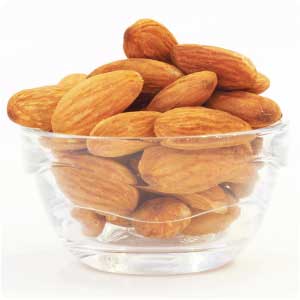
There are delicious to taste….They are placed in the meat group of the Food Guide Pyramid because of their protein content. Ounce for ounce, they are one of the best plant sources of protein and contain no cholesterol. They can be eaten as a snack or as part of a meal. They make tasty additions to fruit or vegetable salads, casseroles, baked breads or muffins, oatmeal, pilaffs and meat dishes. There are different types of nuts which we consume in our daily lives. Few of them are almonds, walnuts, cashew, peanuts, brazil nuts, hazelnuts, pistachio, pecan….etc…

They all have almost similar nutritional facts and nutritional contents…


1. These nuts are rich source of energy and nutrients.


2. They are especially, rich in mono-unsaturated fatty acids like oleic and palmitoleic acids that help to lower LDL or "bad cholesterol" and increase HDL or "good cholesterol".


3. The nuts are an excellent source of vitamin E; contain about 25 g per100 g (about 170% of RDA). vitamin E is a powerful lipid soluble antioxidant, required for maintaining the integrity of cell membrane of mucus membranes and skin by protecting it from harmful oxygen free radicals.


4. These nuts are packed with many important B-complex group of vitamins such as riboflavin, niacin, thiamin, pantothenic acid, vitamin B-6, and folates. These vitamins functions as co-factors for enzymes during cellular substrate metabolism. These vitamins are essential for optimum health and wellbeing.


5. They also very are rich source of minerals like manganese, copper, potassium, calcium, iron,magnesium, zinc and selenium. Copper is a cofactor for many vital enzymes, including cytochrome c-oxidase and superoxide dismutase (other minerals function as co-factors for this enzyme are manganese and zinc). zinc is a co-factor in many enzymes that regulate growth and development, sperm generation, digestion and nucleic acid synthesis. Selenium is an important micro-nutrient which functions as co-factor for anti-oxidant enzymes such as glutathione peroxidases.


6. They boast a high amount of dietary fiber, which has a good effect on weight management


7. They are rich source of many phyto-chemical substances that may contribute to their overall anti-oxidant activity, including melatonin, ellagic acid, vitamin E, carotenoids, and poly-phenolic compounds. These compounds have potential health effects against cancer, aging, inflammation and neurological diseases.


8. Brazil nuts contain exceptionally high levels of selenium. Selenium is an important cofactor for anti-oxidant enzyme glutathione peroxidase. Just 1-2 brazil nut a day provides enough of this trace element. Adequate selenium foods in the diet help prevent coronary artery disease, liver cirrhosis and cancers.

SO AFTER LOOKING AT NUTRITIONAL VALUES OF NUTS….I HAVE REALIZED THAT ALL NUTS HAVE ALMOST THE SAME NUTRITIONAL CONTENTS….SO WHY WE MAKE DIFFERENCES, THAT WHICH NUT IS BETTER THAN ALL OTHER NUTS???????

To make it more precise, I thought let’s look out the effects of nuts on non communicable disease and other researches done by the scientist and researchers…..

NUTS AND CHOLESTEROL

Most of the people believe that cashew have cholesterol…. Almonds will increase your cholesterol… or a person having a bad cholesterol profile, cannot have nuts…..
What you think??????
Lets look at some researches…..

Phung OJ etal reported in 2009 that Almonds have a neutral effect on serum lipid profiles: a meta-analysis of randomized trials. The research was published in journal American dietetic association. Five randomized, controlled trials (totaling 142 participants) met all inclusion criteria. Upon meta-analysis, almond consumption ranging from 25 to 168 g/day significantly lowered total cholesterol [weighted mean difference -6.95 mg/dL (95% confidence interval [CI] -13.12 to -0.772) (-0.18 mmol/L [95% CI -0.34 to -0.02])] and showed a strong trend toward reducing LDL cholesterol. No significant effect on HDL cholesterol, triglycerides, or LDL:HDL ratio was found. Review of funnel plots and the Egger's weighted regression statistic P values suggested a low likelihood of publication bias in all analyses (P>0.25 for all). Almond consumption may decrease total cholesterol and does not significantly affect LDL or HDL cholesterol, triglycerides, or the LDL:HDL ratio. The current body of randomized trials does not support the ingestion of almonds solely for their lipid modifying effects.

In one clinical study, Dr. Gene Spiller, Director of the Health Research and Studies Center, Inc., showed that almonds added to the diet had a favorable effect on blood cholesterol levels and that none of the study groups experienced weight gain in the study.

Another research published in Journal of the American college of nutrition by Spiller GA etal conducted on Effect of a diet high in monounsaturated fat from almonds on plasma cholesterol and lipoproteins. The effect of almonds as part of a low saturated fat, low cholesterol, high-fiber diet was studied in 26 adults (13 men, 13 women). During the almond diet period, raw almonds (100 mg/day) supplied 34 g/day of monounsaturated fatty acid (MUFA), 12 g/day of polyunsaturated fatty acid, and 6 g/day of saturated fatty acid. Almond oil was the only oil allowed for food preparation. There was a rapid and sustained reduction in low-density lipoprotein cholesterol without changes in high-density lipoprotein cholesterol. This was reflected in a total plasma cholesterol decrease from (means +/- SEM) 235 +/- 5.0 at baseline to 215 +/- 5.0 at 3 weeks, and to 214 +/- 5.0 mg/dl at 9 weeks (p less than 0.001). When the consumption of nuts high in MUFA increases the fat content of the diet, reduction rather than elevation of plasma cholesterol has to be expected, possibly due to the MUFA content of these nuts.

Maranhão PA etal 2011 conducted a research on brazil nuts and its effects on lipid profile, oxidative stress and microvascular function in obese adolescents: a randomized controlled trial published in nutrition and metabolism. Obese female adolescents (n = 17), 15.4 ± 2.0 years and BMI of 35.6 ± 3.3 kg/m2, were randomized 1:1 in two groups with the diet supplemented either with Brazil nuts, 15-25 g/day or placebo (lactose), one capsule/day and followed for 16 weeks. The result showed that Brazil nuts intake reduced TC (p = 0.003), triglycerides (p = 0.05) and LDL-ox (p = 0.02) and increased RBCV (p = 0.03). so Brazil nuts improved the lipid profile and microvascular function in obese adolescents, possibly due to its high level of unsaturated fatty acids and bioactive substances.

Alturfan AA etal 2009, a research published in folic biologica reported that Consumption of pistachio nuts beneficially affected blood lipids and total antioxidant activity in rats fed a high-cholesterol diet. In the present study, they aimed to analyse the effects of pistachio consumption on blood lipids, antioxidant activity, oxidative stress and sialic acid levels in high-fat-fed rats for 8 weeks. Pistachio consumption significantly decreased triglycerides and thiobarbituric acid-reactive substance levels and significantly increased total antioxidant activity in the hyperlipidaemic group. In conclusion, pistachio supplementation may improve blood lipids and ameliorate oxidative stress in experimental hyperlipidaemia, which may have beneficial applications in the prevention of cardiovascular diseases.

A research conducted by Olmedilla-Alonso B etal in 2008 on Consumption of restructured meat products with added walnuts has a cholesterol-lowering effect in subjects at high cardiovascular risk: a randomised, crossover, placebo-controlled study. A crossover single-dose bioavailability study (n = 3) using gamma-tocopherol as exposure marker and a crossover unblinded dietary intervention study (5 weeks) in subjects at risk (n = 25). Dietary intervention consisted of regular consumption of the meat product, with or without walnuts, five times per week for five weeks with a 1-month washout in between. The result showed that the restructured meat products with added walnuts supplied in this study can be considered functional foods for subjects at high risk for CVD, as their regular consumption provokes a reduction in total cholesterol of 4.5% with respect to baseline values (mixed diet) and 3% with respect to the restructured meat without walnuts.

Mercanligil SM etal conducted a research in 2007 to find out the Effects of hazelnut-enriched diet on plasma cholesterol and lipoprotein profiles in hypercholesterolemic adult men published in European journal of clinical nutrition. Fifteen hypercholesterolemic men aged 48+/-8 years were recruited voluntarily. A well-controlled, 2-period (P1 and P2) study design with a total of 8-week was implemented. Compared with baseline, the hazelnut-enriched diet decreased (P<0.05) the concentrations of VLDL cholesterol, triacylglycerol, apolipoprotein B by 29.5, 31.8, and 9.2%, respectively, while increasing HDL cholesterol concentrations by 12.6%. Total/HDL cholesterol and LDL/HDL cholesterol ratios favorably decreased (P<0.05). So this study demonstrated that a high-fat and high-MUFA-rich hazelnut diet was superior to a low-fat control diet because of favorable changes in plasma lipid profiles of hypercholesterolemic adult men and, thereby positively affecting the CHD risk profile.

Another research was published in British journal of nutrition conducted by Mukuddem-Petersen J etal 2007 on Effects of a high walnut and high cashew nut diet on selected markers of the metabolic syndrome: a controlled feeding trial. In a randomized, parallel, controlled study design, sixty-four subjects having the metabolic syndrome (twenty-nine men, thirty-five women) with a mean age of 45 (sd 10) years and who met the selection criteria were all fed a 3-week run-in control diet. Subjects were required to have lunch at the metabolic ward of the Nutrition Department of the North-West University (Potchefstroom Campus). Both the walnut and the unsalted cashew nut intervention diets had no significant effect on the HDL-cholesterol, TAG, total cholesterol, LDL-cholesterol, serum fructosamine, serum high-sensitivity C-reactive protein, blood pressure and serum uric acid concentrations when compared to the control diet. Subjects displayed no improvement in the markers of the metabolic syndrome after following a walnut diet or a cashew nut diet compared to a control diet while maintaining body weight.

NUTS AND CARDIOVASCULAR DISEASES


According to health experts, eating plenty of nuts cuts the risks of heart disease. Most people are of the opinion that nuts such as cashews, almonds and peanuts add more pounds. Experts rubbish these claims because the fat in nuts is actually unsaturated fats. Cashew nuts are full of monounsaturated fats. Frank Hu, MD. PhD. lead researcher of the Harvard School of Public Health says that mono and polyunsaturated fats lower bad cholesterol, or LDLs (low density lipoproteins).

ScienceDaily (May 9, 2001) — University Park, Pa. --- In the most comprehensive review yet of the available epidemiological and clinical evidence, Penn State researchers have concluded that eating tree nuts or peanuts can have a strong protective effect against coronary heart disease. Dr. Penny Kris-Etherton, distinguished professor of nutrition and lead author of the review, says, "To date, five large epidemiologic studies and 11 clinical studies have demonstrated that frequent consumption of nuts decreases the risk of coronary heart disease.

"The study was published in the current issue of the journal, Nutrition Reviews. Kris-Etherton's co-authors are Guixiang Zhao, a doctoral candidate and a Kligman Scholar in Nutrition; Amy E. Binkoski, doctoral candidate in Penn State's Life Sciences Consortium; Stacie M. Coval, master's degree candidate; and Dr. Terry Etherton, distinguished professor and head of the dairy and animal sciences department.
The researcher's review of the existing published epidemiologic studies shows that consuming 1 ounce of nuts more than 5 times/week can result in a 25 to 39 percent reduction in coronary heart disease risk among people whose characteristics match those of the general adult U.S.population.
Among the nuts consumed by the people who took part in the epidemiologic studies were almonds, brazil nuts, cashews, hazelnuts, macademia nuts, pecans, pistachios, and walnuts, as well as peanuts. However, the effects of specific nuts on coronary heart disease risk were not evaluated in these studies due to difficulties in classifying consumption patterns of specific nuts and because of the small number of cases in each category.

A new research in JUNE 2010 suggests that consuming an almond-enriched diet may help reduce the risk of type 2 diabetes and heart disease published in Journal of the American College of Nutrition. The study, one of the first of its kind to quantify prevention data, illustrates that consuming almonds may help improve insulin sensitivity and decrease LDL-cholesterol levels in those with prediabetes. After 16 weeks of consuming either an almond-enriched or regular diet, both in accordance with American Diabetes Association (ADA) recommendations, the group that consumed an almond-enriched diet showed significantly improved LDL-cholesterol levels and measures of insulin sensitivity, risk factors for heart disease and type 2 diabetes. "We have made great strides in chronic disease research from evidence of effective treatment to evidence of effective prevention" says Dr. Michelle Wien, Assistant Research Professor in Nutrition at Loma Linda University's School of Public Health and Principal Investigator for this study, which was conducted at the University of Medicine and Dentistry of New Jersey. Wien adds, "It is promising for those with risk factors for chronic diseases, such as type 2 diabetes and cardiovascular disease, that dietary changes may help to improve factors that play a potential role in the disease development. It would be beneficial to conduct tightly controlled metabolic feeding studies and postprandial studies that feature controlled amounts of carbohydrate to confirm the findings of this study, which was performed in a free-living population."

FRESNO, Ca. – April 8, 2008 a new data unveiled at the Experimental Biology Conference in San Diego, snacking on pistachios has proved once again to have a positive impact on improving cardiovascular health by significantly reducing inflammation in the body, a prominent cardiovascular disease (CVD) risk factor. “Pistachios contain many important nutrients that contribute to their positive effect on health. Every new study adds another piece to the puzzle of how eating pistachios may benefit heart health,” said Dr. Constance Geiger, nutrition expert for the Western Pistachio Association (WPA).

The Penn State study was a randomized, crossover, controlled study of 28 healthy men and women (ages 30-70) with slightly-elevated cholesterol levels (similar to cholesterol levels of the general population). It tested three cholesterol-lowering diets, one without pistachio consumption and two with varied levels of pistachios in relation to total caloric intake (on average, 1.5 ounces and 3.0 ounces). Study results demonstrate the beneficial effects of a diet rich in pistachios on multiple CVD risk factors. As indicated in a previous release of this study, cholesterol levels, a prominent risk factor for CVD, improved with pistachio consumption. Compared to baseline, both the 1.5 and 3.0 ounce pistachio diets resulted in reduction of total cholesterol (TC) and low density lipoprotein cholesterol (LDL-C). In addition to the beneficial effects of pistachios on cholesterol, including pistachios as part of a heart-healthy diet also significantly reduced inflammation at the cellular level.

In 2010 Stephens AM etal conducted a research on Peanuts, peanut oil, and fat free peanut flour reduced cardiovascular disease risk factors and the development of atherosclerosis in Syrian golden hamsters. Peanuts, peanut oil, and FFPF diet groups had significantly (P < 0.05) lower TPC, non-HDL-C than the control group beginning at about 12 wk and continuing through the 24-wk study. HDL-C was not significantly different among the diet groups. Peanut and peanut component diets retarded an increase in TC and CE. Because CE is an indicator of the development of atherosclerosis this study demonstrated that peanuts, peanut oil, and FFPF retarded the development of atherosclerosis in animals consuming an atherosclerosis inducing diet.

NUTS AND CANCER
Nuts are rich source of many phyto-chemical substances that may contribute to their overall anti-oxidant activity, including melatonin, ellagic acid, vitamin E, carotenoids, and poly-phenolic compounds. These compounds have potential health effects against cancer, aging, inflammation and neurological diseases.

Washington, DC (April, 1999) New research presented at Experimental Biology '99 suggests that consuming almonds and other nuts can help people to effectively lose and maintain body weight, as well as to reduce their risk of developing colon cancer and coronary heart disease. This was the second consecutive year that the conference included a session focusing exclusively on the health benefits of nuts.

Research conducted at the University of California at Davis showed that a high-fat diet rich in whole almonds reduced the colon cancer risk in rats chemically treated to induce this cancer. When compared to rats fed a high-fat, wheat bran-rich diet thought to protect against colon cancer, the whole-almond group showed a 33 percent reduction in colon cancer precursor cells. …"In fact, not only did whole almonds inhibit colon cancer precursor cells from developing, but we were gratified to see that they were significantly more effective than wheat bran, widely believed to protect against this type of cancer," said Paul Davis, PhD, lead researcher on the study.

The June 2001 Issue of Nutrition Science News reported an animal study which suggested that almonds help protect against colon cancer. The study was completed at the University of California at Davis. The groups fed any form of almond had less indication of colon cancer than the control group, but those fed whole almonds did better than those fed almond oil or almond meal. Other research findings that link high-fat diets to increased cancer risk may be the result of diets low in cancer-fighting fruits and vegetables. Despite their fat content, nuts may be helpful in fighting colon cancer.

Researchers from the University of Minnesota have found that a diet rich in magnesium may help reduce the risk of developing colon cancer. As part of the Iowa Women's Health Study, researchers followed almost 42,000 women aged 55-69 for 17 years. The research was published in American Journal of Epidemiology, February 2006 describes how magnesium-rich cashews cut the risk colon cancer. After taking age, calories, other nutrients and traditional risk factors for colon cancer into account, the women with the highest intake of magnesium (more than 351 milligrams a day) had a 23% lower risk of colon cancer compared to those with the lowest intake (less than 245 milligrams a day). Magnesium intake, however had little effect on rectal cancer. In the study, more than 90% of the women's magnesium intakes came from food, not supplements. The current recommended intake of magnesium is 400 milligrams a day. Good sources include artichokes, avocados, bran cereal, cashews, dark chocolate, lentils, spinach and wheat germ.

An article published in journal nutrition in 2011 by Nagel JM etal reported that Dietary walnuts inhibit colorectal cancer growth in mice by suppressing angiogenesis. HT-29 human colon cancer cells were injected in 6-wk-old female nude mice. After a 1-wk acclimation period, mice (n = 48) were randomized to diets containing ∼19% of total energy from walnuts, flaxseed oil, or corn oil (control) and were subsequently studied for 25 d. Tumor growth rate was significantly slower in walnut-fed and flaxseed-fed mice compared with corn oil-fed animals (P < 0.05) by 27% and 43%, respectively. Accordingly, final tumor weight was reduced by 33% and 44%, respectively (P < 0.05 versus control); the differences between walnut and flaxseed diets did not reach significance. Dietary walnuts significantly decreased angiogenesis (CD34 staining; P = 0.017 versus control). They conclude that walnuts in the diet inhibit colorectal cancer growth by suppressing angiogenesis.

NUTS AND DIABETES
Women in a Harvard School of Public Health study who reported eating 5 or more 1 ounce servings of nuts/peanuts per week reduced their risk of Type 2 diabetes by almost 30 percent compared to those who rarely or never ate nuts. Women in the study who ate five tablespoons of peanut butter each week reduced their risk for Type 2 diabetes almost 20 percent. Published in Journal of the American Medical Association, Nov. 27, 2002.
A new research in JUNE 2010 suggests that consuming an almond-enriched diet may help reduce the risk of type 2 diabetes and heart disease published in Journal of the American College of Nutrition. The study, one of the first of its kind to quantify prevention data, illustrates that consuming almonds may help improve insulin sensitivity and decrease LDL-cholesterol levels in those with prediabetes. After 16 weeks of consuming either an almond-enriched or regular diet, both in accordance with American Diabetes Association (ADA) recommendations, the group that consumed an almond-enriched diet showed significantly improved LDL-cholesterol levels and measures of insulin sensitivity, risk factors for heart disease and type 2 diabetes.

The University of Toronto has studied the effects of pistachios on diabetes. “Glycemic Response of Pistachios – A Dose Response Study and Effect of Pistachios Consumed with Different Common Carbohydrate Foods on Postprandial Glycemia,” led by University of Toronto’s Dr. Cyril Kendall and Dr. David Jenkins, found that pistachios, when eaten with some common high-carbohydrate foods, may actually slow the absorption of carbohydrates into the body, resulting in a lower than expected blood sugar level. Certain carbohydrates elevate blood sugar levels more quickly than foods that contain higher levels of protein, fiber and monounsaturated fat, like pistachios. In general, foods that do not quickly raise blood sugar are often considered healthier than their more processed counterparts. The study is the first of its kind to examine the effects of pistachios alone and in combination with carbohydrates on blood sugar levels. The study hopefully will lead to new treatment methods and management of diabetes.

NUTS AND OBESITY
As long as you control total calories, eating a handful of nuts daily may help prevent weight gain and possibly promote weight loss. The fat, protein and fiber in nuts help you feel full longer, so you may eat less during the day. By helping induce a feeling of satiety, nuts may help people feel less deprived and not like they're "dieting." Just limit your portion to a healthy handful.

Researchers from Harvard University presented encouraging findings for people concerned about losing weight and keeping it off. They reported that a low-calorie diet containing ample fat from almonds, other nuts, and olive oil was as effective for weight loss as a low-calorie, low-fat diet and was more effective for weight loss maintenance. "We found that initially people were reluctant to join the nut and olive oil diet group because they feared they might gain weight," said Kathy McManus, MS, RD, lead study researcher. "But in the end, not only was this eating pattern as effective for weight loss as the low-fat diet, but there were additional benefits, both in terms of health and enjoyment." People in both diet groups lost an average of 10 pounds over a 12-month period. The nuts and olive oil group was successful in keeping weight off six months later and even showed a significant drop in blood pressure. In contrast, those on the low-fat diet began to regain lost pounds and showed no change in blood pressure. …

Li Z etal in 2010 has conducted a research on whether Pistachio nuts reduce triglycerides and body weight by comparison to refined carbohydrate snack in obese subjects on a 12-week weight loss program. Participants were randomly assigned to consume 1 of 2 isocaloric weight reduction diets for 12 weeks, with each providing 500 cal per day less than resting metabolic rate. Each diet included an afternoon snack of either 53 g (240 cal) of salted pistachios (n  =  31) or 56 g of salted pretzels (220 cal; n  =  28). The study concluded that Pistachios can be consumed as a portion-controlled snack for individuals restricting calories to lose weight without concern that pistachios will cause weight gain. By comparison to refined carbohydrate snacks such as pretzels, pistachios may have beneficial effects on triglycerides as well.

A research published in journal of nutrition, conducted by Mattes RD etal, in 2008 on Impact of peanuts and tree nuts on body weight and healthy weight loss in adults concluded that the few trials contrasting weight loss through regimens that include or exclude nuts indicate improved compliance and greater weight loss when nuts are permitted. This consistent literature suggests nuts may be included in the diet, in moderation, to enhance palatability and nutrient quality without posing a threat for weight gain.

MY VERDICT ON NUTS


1. After researching a lot, I conclude that nuts are good for our health.


2. They should be a part of daily life.


3. They contain fats but actually help in reducing our bad cholesterol.


4. They contain no cholesterol.


5. You need to cut down your saturated fat to reduce your cholesterol but not nuts.


6. All nuts will help you in improving your cholesterol profile and prevent you from cardiovascular diseases, cancer and diabetes.


7. Nuts will help you in weight management too...


8. They should be consumed by every body but in moderate amount.


9. I recommend 5 nuts everyday or 5 days in a week but for walnuts i will recommend not more than 2.


10. It doesn’t matter you consume which type of nuts because all of them are providing you the similar health benefits.


11. Always consume raw nuts... as the process of roasted and salty nuts leads to nutritional losses..so they are similar to junk food.


12.The best way to get all the nutrients is to soaked them overnight...


13. I believe lets make a cyclic menu for your nuts – for instance 1 day have 5 almond, next day have brazil nuts then next day cashew nuts and so on…. Because if Brazil nuts are providing you selenium then on the other hand cashew is providing you good amount of magnesium.

14. THE KEY IS MODERATION….. THEY ARE EQUAL TO OLIVE OIL OR CANOLA OIL WHICH ARE GOOD FOR REDUCING OUR BAD CHOLESTEROL AND INCREASING ARE GOOD CHOLESTEROL AS THEY CONSIST OF MONO UNSATURATED FATTY ACID….


http://www.ncbi.nlm.nih.gov/pubmed/17381974

Images courtesy: pranhub.com, telegraph.co.uk, greenpeasandblueberries.blogspot.com, elements4health.com, soulcliche.com, faqs.org, purcellmountainfarms.com, tradenote.net, dadesifun.com, ithappensinindia.com, antioxidants-health-benefits.com, numkitchen.com, gatewayturkey.com, thenutfactory.com, birdsong-peanuts.com, tips4india.in, hotproducts.manufacturer.com.


Monday, 18 July 2011

GREEN TEA


Green tea is made from unfermented leaves and reportedly contains the highest concentration of powerful antioxidants called polyphenols. Green tea is believed to have been discovered by the Chinese over four thousand years ago and used for its herbal and medicinal powers. It comes from a plant named Carmellia Sinensis. Green tea has been consumed throughout the ages in India, China, Japan, and Thailand. In traditional Chinese and Indian medicine, practitioners used green tea as a stimulant, diuretic (to promote the excretion of urine), astringent (to control bleeding and help heal wounds), and to improve heart health. Other traditional uses of green tea include treating flatulence (gas), regulating body temperature and blood sugar, promoting digestion, and improving mental processes.

Tea is composed of polyphenols, alkaloids (caffeine, theophylline, and theobromine), amino acids, carbohydrates, proteins, chlorophyll, volatile organic compounds (chemicals that readily produce vapors and contribute to the odor of tea), fluoride, aluminum, minerals, and trace elements. The polyphenols, a large group of plant chemicals that includes the catechins, are thought to be responsible for the health benefits that have traditionally been attributed to tea, especially green tea. The most active and abundant catechin in green tea is epigallocatechin-3-gallate (EGCG). 

There are number of benefits of green tea... one we all know is weight loss...

GREEN TEA AND WEIGHT LOSS
In 2009, a research paper was published on Effects of catechin enriched green tea on body composition in journal obesity states that regular consumption of green tea - which is rich in naturally-occurring tea actives called catechins - can significantly and positively effect body composition in moderately overweight individuals.The 90-day trial, conducted at Fudan University, in Shanghai, China, and funded by the Lipton Institute of Tea, supports existing evidence that green tea has a significant beneficial effect on body composition in Asian populations.
This new investigation monitored the effects of green tea consumption on body weight, body fat mass, as well as the distribution of fat. 182 moderately overweight Chinese subjects, aged between 18 and 55, were divided into four groups, with each group allocated a regular dose of green tea containing a different quantity of catechins. The results showed that, relative to the control group consuming no green tea catechins, body weight, waist circumference, intra-abdominal fat and the total lean mass all decreased after 90 days in the group that drank the tea with the highest concentration of catechins.

A mechanistic review in 2011 was done on Antiobesity effects of green tea catechins defines that Green tea catechins (GTC) are polyphenolic compounds present in the unfermented dried leaves of the plant, Camellia sinensis. Results from a number of randomized, controlled intervention trials have shown that consumption of GTC (270 mg to 1200 mg/day) may reduce body weight and fat. There are several proposed mechanisms whereby GTC may influence body weight and composition. The predominating hypothesis is that GTC influences sympathetic nervous system (SNS) activity, increasing energy expenditure and promoting the oxidation of fat. Caffeine, naturally present in green tea, also influences SNS activity, and may act synergistically with GTC to increase energy expenditure and fat oxidation. Other potential mechanisms include modifications in appetite, up-regulation of enzymes involved in hepatic fat oxidation, and decreased nutrient absorption.

NOT ONLY THIS BUT GREEN TEA HAD OTHER BENIFITS TOO....

1. CANCER PREVENTION - Among their many biological activities, the predominant polyphenols in green tea―EGCG, EGC, ECG, and EC― have antioxidant activity. These chemicals, especially EGCG and ECG, have substantial free radical scavenging activity and may protect cells from DNA damage caused by reactive oxygen species. A research done in 2003 states that tea polyphenols inhibit tumor cell proliferation and induce apoptosis . In other laboratory and animal studies done in 2006, tea catechins have been shown to inhibit angiogenesis and tumor cell invasiveness. In addition, tea polyphenols may protect against damage caused by ultraviolet (UV) B radiation, and they may modulate immune system function. Furthermore, green teas have been shown to activate detoxification enzymes, such as glutathione S-transferase and quinone reductase, that may help protect against tumor development. Although many of the potential beneficial effects of tea have been attributed to the strong antioxidant activity of tea polyphenols, the precise mechanism by which tea might help prevent cancer has not been established.

2. LOWERING CHOLESTEROL - Recent findings reveal these green tea can help reduce bad cholesterol (LDL), although only slightly. Re searchers from China, Xin-Xin Zheng and his team of the Peking Union Medical College, Beijing, China conducted a study and poll of the 14 studies on green tea. In each study the researchers randomly divided participants into two groups, ie groups who drank green tea or extract for 3 weeks to 3 months, and the group that received inactive preparations. In general, those from the green tea group had total cholesterol 7.2 mg / dL lower than the comparison group. In addition levels of LDL or bad cholesterol 2.2 mg / dL lower or have decreased more than two percent. While there was no difference in the value of good cholesterol (HDL) in the two groups. The active ingredients are thought to play a role in lowering cholesterol is the catechins which will reduce the absorption of cholesterol in the intestine. Despite having the benefits of cholesterol reduction but experts warn that the effect of the decline is very small. “Drinking green tea can not be recommended for patients who already have high-cholesterol,” says Nathan Wong, researchers say.

3. REDUCE THE RISK OF STROKE - A study published in the journal Stroke in 2009 concluded that an inverse association was found between tea consumption and the risk of ischemic stroke in a southern Chinese population with a significant dose-response relationship for drinking green tea. A meta-analysis published in 2009, analyzing the results from 9 different studies, found an astonishing 21% decrease in stroke risk. This is the result with drinking 3 cups of green tea a day. But adding another 3 cups to the daily intake further lowered down the risk of stroke by another 21%.


4. PREVENTION OF CARDIOVASCULAR DISEASES - Green tea polyphenols have been extensively studied as cardiovascular disease and cancer chemopreventive agents in vitro and in animal studies. However, the effects of green tea consumption in humans remain unclear. However a study done in 2006 called as The Ohsaki Study having an objective to investigate the associations between green tea consumption and all-cause and cause-specific mortality. The Ohsaki National Health Insurance Cohort Study, a population-based, prospective cohort study initiated in 1994 among 40 530 Japanese adults aged 40 to 79 years without history of stroke, coronary heart disease, or cancer at baseline. Participants were followed up for up to 11 years (1995-2005) for all-cause mortality and for up to 7 years (1995-2001) for cause-specific mortality. Results showed that Green tea consumption is associated with reduced mortality due to all causes and due to cardiovascular disease but not with reduced mortality due to cancer.


5. PHYSICAL HEALTH - Antioxidants are what minimise the destruction caused by the normal process of oxidation. Oxidation is like the corrosion of metals due to exposure to the elements, only the damage is to our tissue cells. It's often referred to as oxidative stress. Over time, you can suffer from this damaging process with all sorts of diseases, including heart disease, cancers, and Alzheimer's. Activities such as smoking and alcohol consumption, poor diet, stress and pollutants in the environment all contribute to reducing the body's ability to ward off oxidative damage. It's actually the effort from an overworked immune system to curb or repair cellular and tissue damage from oxidation that creates this damaging stress. This is why anti-oxidants are important. The ingredients found in green tea include four primary polyphenols: epigallocatechin (EGC), epicatechin gallate (ECG), epicatechin (EC), and epigallocatechin gallate (EGCG). These are terms for plant biochemical ingredients that are high in antioxidants.

6. REDUCE STRESS - A 2009 study done in Japan, on the effects of green tea on stress, studied the lifestyles of 42,093 individuals over the age of 40, and assessed their psychological distress based on their lifestyle factors. The research showed that study participants who had an average consumption of five or more cups of green tea per day, had lower psychological distress than participants who drank one or less cups of tea per day.


7. TOOTH LOSS - A study reviewed by Yasushi Koyama, from Tohoku University Graduate School of Medicine (Japan), and colleagues assessed data compiled from 25,078 people, ages 40 to 64 years, who participated in the Ohsaki Cohort 2006 Study. The team determined that those study participants who drank one to two cups of green tea per day reduced their risk of tooth loss by 18%. Five or more cups of green tea daily was associated with a 23% reduction in tooth loss risk. Noting that previous studies have reported that green tea catechins may inhibit the action of oral bacteria linked to development of periodontal disease, the team concludes that: “The present findings indicate an association of green tea consumption with decreased odds for tooth loss.”

8. BRAIN POWER - There are many studies that reported deterioration of brain power is normal as a person ages. It is attributed to failure of brain cells to regenerate. However, a look at 1,003 Japanese who are more than 70 years old in a 2006 study found out that those who drink more green tea showed signs of lesser instances of decrease brain function. The study revealed that those who drink green tea at least six times weekly have a 38% lesser chance of cognitive impairment than those who have only drink green tea three times a week.

MODERATION IS A KEY


Again the most important word is moderation... 2 cups of green tea in a day is fine but not more than that as green tea also have side effects... Several studies have linked liver damage dangers. Green tea can also interact with drugs that reduce efektivtiasnya.

If you are being treated with any of the following medications, you should not drink green tea or take green tea extract without first talking to your health care provider:

Adenosine -- Green tea may inhibit the actions of adenosine, a medication given in the hospital for an irregular (and usually unstable) heart rhythm.

Antibiotics, Beta-lactam -- Green tea may increase the effectiveness of beta-lactam antibiotics by reducing bacterial resistance to treatment.

Benzodiazepines -- Caffeine (including caffeine from green tea) has been shown to reduce the sedative effects of benzodiazepines (medications commonly used to treat anxiety, such as diazepam and lorazepam).

Beta-blockers, Propranolol, and Metoprolol -- Caffeine (including caffeine from green tea) may increase blood pressure in people taking propranolol and metoprolol (medications used to treat high blood pressure and heart disease).

Blood Thinning Medications (Including Aspirin) -- People who take warfarin, a blood thinning medication, should not drink green tea. Since green tea contains vitamin K, it can make warfarin ineffective. Meanwhile, you should not mix green tea and aspirin because they both prevent platelets from clotting. Using the two together may increase your risk of bleeding.

Chemotherapy -- The combination of green tea and chemotherapy medications, specifically doxorubicin and tamoxifen, increased the effectiveness of these medications in laboratory tests. However, these results have not yet been demonstrated in studies on people. On the other hand, there have been reports of both green and black tea extracts stimulating a gene in prostate cancer cells that may cause them to be less sensitive to chemotherapy drugs. Given this potential interaction, people should not drink black and green tea (as well as extracts of these teas) while receiving chemotherapy for prostate cancer in particular.

Clozapine -- The antipsychotic effects of the medication clozapine may be reduced if taken fewer than 40 minutes after drinking green tea.

Ephedrine -- When taken together with ephedrine, green tea may cause agitation, tremors, insomnia, and weight loss.

Lithium -- Green tea has been shown to reduce blood levels of lithium (a medication used to treat manic/depression).

Monoamine Oxidase Inhibitors (MAOIs) -- Green tea may cause a severe increase in blood pressure (called a "hypertensive crisis") when taken together with MAOIs, which are used to treat depression. Examples of MAOIs include phenelzine and tranylcypromine.

Oral Contraceptives -- Oral contraceptives can prolong the amount of time caffeine stays in the body and may increase its stimulating effects.

Phenylpropanolamine -- A combination of caffeine (including caffeine from green tea) and phenylpropanolamine (an ingredient used in many over-the-counter and prescription cough and cold medications and weight loss products) can cause mania and a severe increase in blood pressure. The FDA issued a public health advisory in November 2000 to warn people of the risk of bleeding in the brain from use of this medication and has strongly urged all manufacturers of this drug to remove it from the market.


Image Courtesy: octoviana.com, benefitsofgreen-tea.com, knowledgebase-script.com, healthhabits.ca, caring4youragingseniorcitizen.com, topnews.in, topnews.in, topcancernews.com, 1dental.wordpress.com, education2kid.blogspot.com